
The term Karen has become a cultural shorthand for an entitled, often middle-aged white woman who demands to “speak to the manager.” It conjures images of someone who makes unreasonable complaints, exhibits privilege, or acts condescendingly toward service workers. But over time, what started as an internet joke has transformed into something much bigger—sometimes even silencing women who are simply advocating for themselves.
When did this start?
The Karen stereotype didn’t appear out of nowhere. It has roots in various cultural references, but it gained mainstream attention in the 2010s through internet memes and viral videos of women behaving in entitled or aggressive ways, particularly in retail or public spaces. The haircut associated with the Karen stereotype—a short, spiky bob with chunky highlights—became as infamous as the behavior itself.
The earliest iterations of the Karen meme may have been influenced by a mix of pop culture references, such as the “Can I Speak to the Manager?” trope in comedy sketches and films. However, the name Karen itself likely became widespread due to a Reddit thread where users humorously ranted about difficult ex-wives, bosses, or customers—many of whom they labeled Karen.
We all knew this woman. The smallest thing could set them off, and their anger was usually reserved for people in the service industry.
Then, in 2020, as videos of public outbursts (sometimes racist in nature) went viral, Karen became more than a meme; it became a way to call out bad behavior. But as with many internet trends, the meaning of the word started to shift, sometimes in ways that were unfair and counterproductive.
When Advocacy Gets Misinterpreted
At first, the term was meant to highlight people who were being unnecessarily rude or entitled. But now, many women feel hesitant to speak up, even in situations where they have every right to do so.
Imagine this: You’re at a restaurant, and your food is undercooked. You want to ask for it to be fixed, but a thought flashes through your mind—Am I being a Karen?
Or worse, you’re at a doctor’s office, trying to get answers about your health. You express concerns about a diagnosis or ask for further testing, and suddenly, you’re worried that you’ll be dismissed as difficult.
The problem with the Karen stereotype is that it doesn’t just target bad behavior; it sometimes discourages women from asserting themselves in important situations. And when a label gets too broad, it starts to lose its meaning.
My Personal ‘Karen’ Moment: The Pickle Incident
I’ll admit, even I’ve had moments where I wondered if I was coming across as a Karen, and I generally could care less about what other people think of me.
I was out to dinner with friends, including some people I didn’t know very well. I ordered my meal—a burger with no bun, keto-friendly, just the way I needed it with the health issues I have. Simple request. When my food arrived, it was loaded with pickles.
Now, I hate pickles. I cannot stress this enough. The smell alone is enough to make me lose my appetite. I politely asked the server if they could remake my burger without them. Before the waiter could even respond, a guy at the table—someone I had just met—laughed and said, “Oh wow, okay, Karen.”
I was stunned. I wasn’t rude. I wasn’t making a scene. I wasn’t demanding a free meal or throwing a fit. I just wanted the food I had ordered to be correct. I’ll admit it – a small part of me thought am I overreacting? Should I just pick the pickles off and deal with it? Was I actually being a Karen?
No. I was asking for the meal I paid for, exactly the way I requested it. That’s not entitlement—that’s just getting something right. The Karen label had been slapped on me simply because I dared to ask for what I ordered.
The really funny part of this story comes around when dessert was brought to the table. The SAME guy asked for his dessert to be corrected (he didn’t want nuts), and wasn’t nearly as nice as I was.
“Karen much?” I asked innocently while batting my eyes.
“What are you talking about?” he asked as confusion swept across his face.
He really, seriously could not connect the dots to what happened earlier. My friend who brought him pointed out the hypocrisy and you could see his brain recalculating until it seemd to just crash. He wasn’t going to get it. Said friend decided never to see him again.
When ‘Karen’ Becomes a Tool for Misogyny
What’s even more frustrating is that certain people—particularly misogynistic types who have always looked for ways to silence women—have gleefully latched onto this term as a way to shut us up.
There have always been men hate it when a woman stands up for herself, whether she’s negotiating at work, questioning a doctor’s decision, or even just asking for a correct food order. Now, these same men have a new weapon: call her a Karen and watch her shrink back.
It’s a sneaky, effective way to keep women quiet. If a woman pushes back against unfair treatment, she risks being labeled difficult. If she speaks up too much, she’s a Karen. If she dares to ask for basic respect, she’s hysterical.
This tactic isn’t new—it’s just been given a new name. And the worst part? It works.
I’ve seen women hesitate to advocate for themselves, not because they’re wrong, but because they’re afraid of how they’ll be perceived. They’d rather endure discomfort than risk the label. That is a massive problem.
Women Have Always Been Called ‘Difficult’ for Speaking Up
The idea of labeling outspoken women isn’t new. Throughout history, women who voiced their concerns were often dismissed as hysterical, bossy, or nagging. We’ve turned a corner where people get called out for this kind of behavior, but they’ve found a new way to do it that has people gleefully joining in instead of condeming the bad behavior.
The Karen meme is just a modern iteration of an old problem. While nobody wants to be the person throwing a tantrum over a minor inconvenience, we shouldn’t be afraid to advocate for ourselves when it matters.
For example, studies have shown that women’s pain is often taken less seriously by doctors. If a man insists on more testing for a persistent health issue, he’s seen as proactive. But if a woman does the same, she might be labeled as overreacting.
Similarly, in professional settings, men who push back in meetings are often viewed as assertive, while women doing the same risk being seen as aggressive or difficult. The Karen stereotype, when applied too broadly, can reinforce these biases, making women second-guess whether they should speak up at all.
Reclaiming the Right to Speak Up
So where do we go from here?
It’s okay to call out genuinely rude and entitled behavior. But it’s also important to recognize when the Karen label is being misused. If a woman is advocating for herself—whether in a restaurant, a hospital, or the workplace—she shouldn’t have to worry about being dismissed with a meme.
Instead of letting internet culture dictate when we should or shouldn’t speak up, we should trust our instincts. There’s a difference between being rude and standing up for yourself. The key is balance—being firm but fair, assertive but respectful.
So the next time someone rolls their eyes and throws out Karen just because a woman dares to speak up, maybe it’s time to push back. Because advocating for yourself isn’t entitlement—it’s self-respect. And no internet meme should ever take that away from us.
-Kelly
Keep up with me!

New! Subscribe to my YouTube Channel
Follow my blog with the link in the left hand side bar (or bottom of the page if on cell).
Follow the My 30 Point Life Blog Updates on Pinterest
Follow and like me on my Facebook Page.
Join my Instant Pot Healthy Recipes group on Facebook.
Like my blog? My first three novels have been released! It’s set in a small, holiday obsessed town, and if you love Hallmark movies you’ll love this book series!
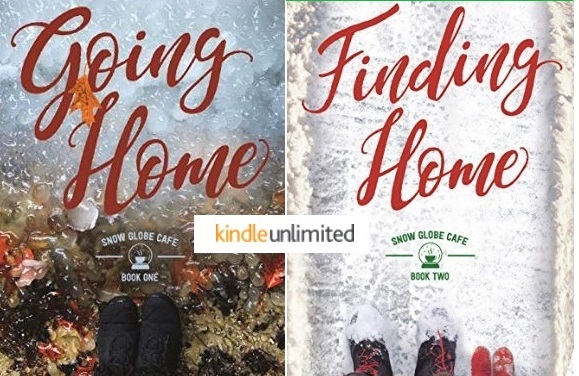
The first book in the series is called Going Home. Becca, our heroine, returns home after a 25 year absence to reclaim a sentimental family heirloom. She hopes to go in and out unnoticed, especially by the man she’s loved since she was eight years old.
The odds are stacked against Becca, small towns being what they are. Her 25 year old secret is about to be exposed, and she just might get a second chance at love.
Click here for a look inside!
Follow my Author page for updates

 My 30 Point Life